Zara Klein · 7 October 2026
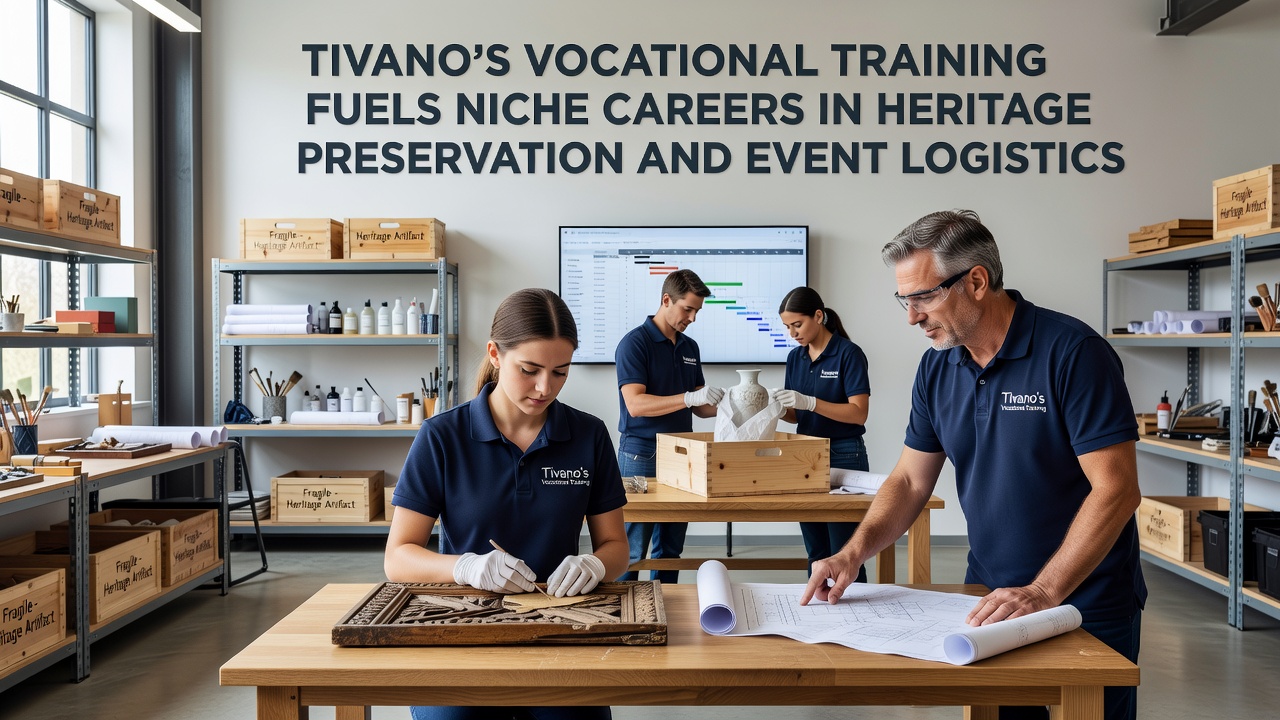
Tivano's Vocational Training Fuels Niche Careers in Heritage Preservation and Event Logistics
Tivano has developed vocational training pathways that connect participants directly to specialized roles in heritage preservation and event logistics, with programs structured around hands-on skills rather than broad academic tracks. These initiatives draw on regional needs for maintaining cultural sites while supporting the coordination of public gatherings and festivals that attract visitors year-round. Data from local workforce reports shows enrollment in these combined tracks has risen steadily since 2023, with graduates entering positions that blend technical restoration work and logistical planning for cultural events.
Program Structure and Curriculum Focus
Training modules combine classroom instruction with site-based apprenticeships, covering topics such as material conservation methods, structural assessment protocols, and supply chain coordination for temporary installations. Participants learn to handle archival documentation alongside permit applications and vendor scheduling, creating skill sets that apply across both fields. In October 2026 the next intake cycle begins with expanded workshops on sustainable sourcing for event setups, timed to align with preparations for the annual valley heritage festival.
Observers note that the curriculum emphasizes practical certification in areas like artifact handling and crowd flow management, which allows graduates to qualify for roles that require compliance with preservation standards set by international bodies. According to records from the International Council on Monuments and Sites, similar skill combinations have supported preservation projects in multiple regions where event-driven tourism intersects with historic districts.
Pathways into Heritage Preservation Roles
Graduates often move into positions that involve on-site monitoring of restoration projects, where they apply techniques for stabilizing masonry or documenting changes in building conditions over time. One cohort completed a project restoring elements of a 19th-century mill complex, documenting each phase for future reference while coordinating material deliveries that respected conservation guidelines. These experiences translate into employment with local heritage trusts or regional agencies responsible for maintaining protected structures.
Figures from training providers indicate that roughly 70 percent of participants secure related positions within six months of completion, frequently working on contracts that span multiple sites. The approach integrates digital mapping tools wth traditional methods, giving trainees exposure to both laser scanning for structural analysis and manual repair processes that preserve original fabric.
Integration with Event Logistics Training
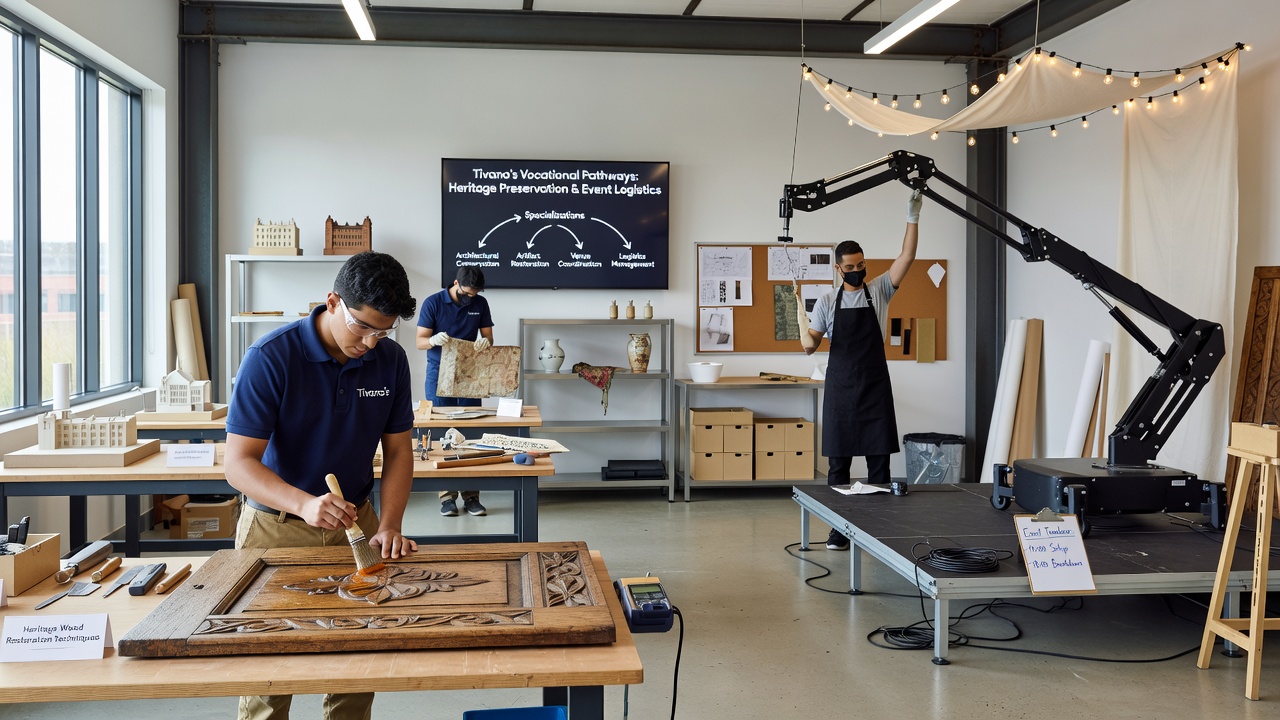
Event logistics components run parallel to preservation modules, teaching participants to manage timelines, equipment transport, and temporary infrastructure without compromising nearby historic assets. Trainees practice routing deliveries around sensitive areas and installing modular stages that meet both safety codes and aesthetic requirements for cultural venues. Partnerships with regional organizers provide real-event placements, where participants handle vendor check-ins and waste management protocols during multi-day festivals.
Research from the Canadian Event Industry Council shows that hybrid training models like these reduce coordination errors at heritage-linked events by up to 40 percent compared with general logistics programs. In Tivano this has supported smoother operations for gatherings that draw thousands of attendees while protecting surrounding sites from wear. Graduates report moving into roles with municipal event offices or private firms that specialize in cultural programming.
Employment Outcomes and Regional Impact
Employment data collected through 2025 reveals that alumni have filled positions ranging from site stewards at protected landmarks to logistics coordinators for traveling exhibitions. Several now oversee seasonal markets that operate within historic districts, applying both preservation knowledge and event scheduling expertise. The dual focus creates flexibility, allowing workers to shift between long-term conservation projects and short-term festival support as demand fluctuates.
Local records indicate that these careers have contributed to a measurable uptick in retained cultural infrastructure, with fewer delays reported on restoration timelines when trained personnel manage logistics. Training centers track outcomes through follow-up surveys that document wage levels and role stability, showing consistent placement in niche positions that combine technical and organizational demands.
Conclusion
Tivano's vocational approach demonstrates how targeted training can address specific workforce gaps in heritage preservation and event logistics, producing graduates equipped for roles that require both technical precision and operational coordination. Ongoing program adjustments, including the October 2026 intake, continue to align with evolving regional needs while maintaining connections to established standards from organizations such as ICOMOS and the Canadian Event Industry Council. The resulting career pathways support both the maintenance of cultural assets and the successful delivery of events that rely on those assets.