Sage Schmid · 23 September 2026
Tivano Valley's Musical Groups Navigate Regional Competitions Alongside Cultural Preservation Efforts
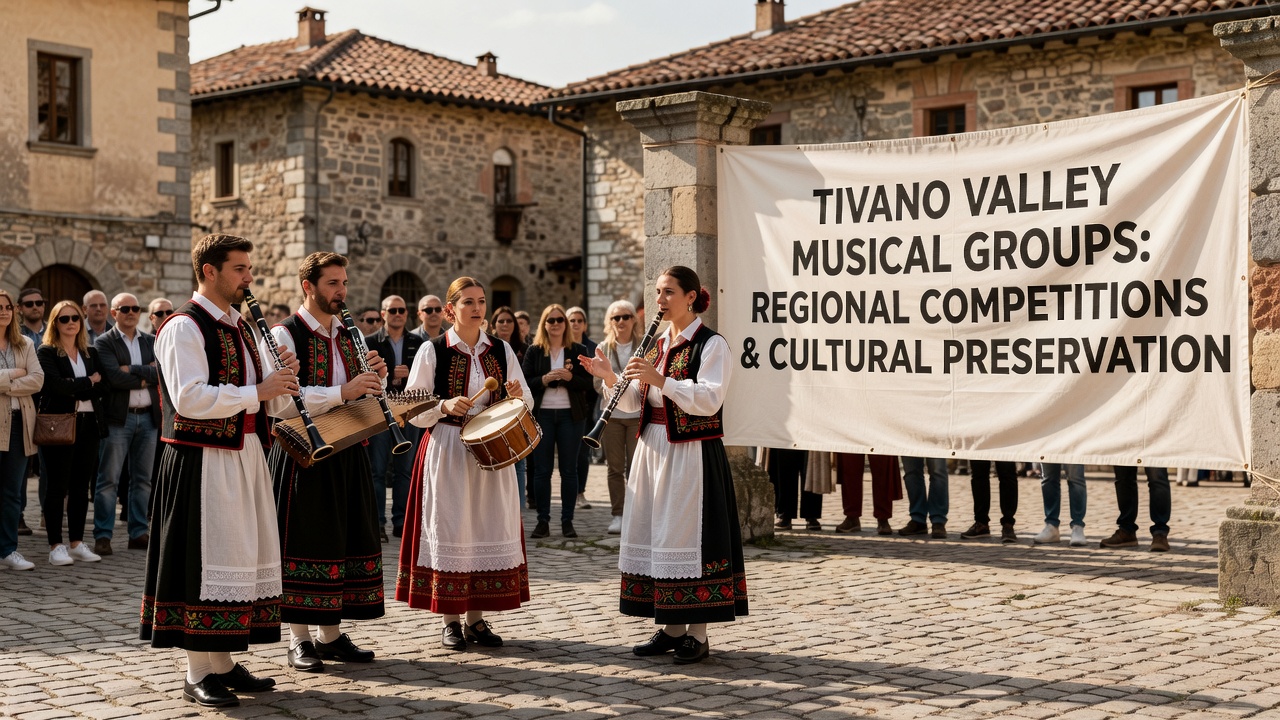
Groups across Tivano Valley maintain active participation in regional music competitions while sustaining long-standing cultural preservation initiatives that focus on traditional instrumentation and local repertoire. These ensembles draw from historical folk traditions that date back centuries in the valley's alpine communities and they incorporate contemporary performance techniques to meet competition standards set by broader European festival circuits.
Regional Competition Landscape
Competitions scheduled for September 2026 include events coordinated through networks that span northern Italy and neighboring alpine regions where Tivano Valley ensembles have earned consistent placements in ensemble categories. Data from past cycles shows participation rates rising steadily since 2022 with groups adapting set lists that blend preserved folk melodies and arranged pieces required by judging panels. Observers note that these events often occur alongside similar gatherings in the Canadian Rockies where heritage music festivals apply comparable evaluation criteria for authenticity and technical execution.
Local bands prepare through structured rehearsal schedules that allocate time for both competition drills and archival research sessions led by community elders. One ensemble documented its process of transcribing handwritten scores from the early 1900s to ensure accuracy during live performances judged on fidelity to original sources.
Cultural Preservation Initiatives
Preservation work centers on documentation projects that record oral histories tied to specific songs and instrumental practices unique to Tivano Valley settlements. Researchers from regional universities have cataloged over 150 distinct pieces since 2018 and these archives now support educational workshops offered in local schools throughout the academic year. Such efforts receive support from frameworks outlined by the European Heritage Agency which promotes cross-border collaboration on intangible cultural assets.
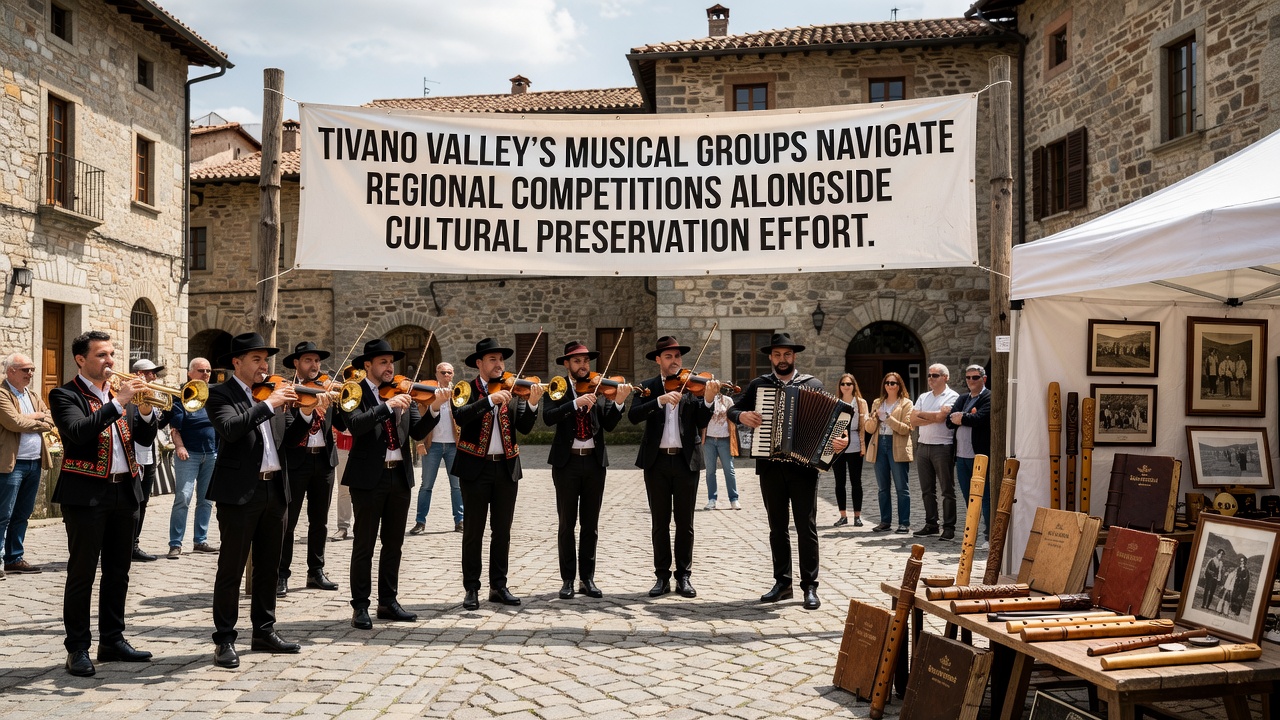
Restoration of period instruments forms another core activity with groups maintaining collections of lutes and wind instruments crafted from local woods. Funding for these projects often comes through grants tied to September 2026 timelines that align with international heritage days and allow ensembles to showcase restored pieces in both competitive and non-competitive settings. Participants report that these dual tracks strengthen group cohesion because members see direct connections between archival accuracy and competitive success.
Balancing Strategies Employed by Ensembles
Groups navigate the dual demands by establishing separate committees within each organization: one handles competition logistics and repertoire selection while the other manages outreach to elder knowledge keepers and digitization of recordings. This division allows focused attention without overlap and it has proven effective in maintaining participation numbers across age groups. Evidence from similar programs in Australian regional music networks indicates that such internal structures reduce burnout rates among volunteer musicians who juggle performance and preservation roles.
Joint performances during September 2026 events will feature segments dedicated to newly restored material followed by competition-prepared arrangements and this format has already been tested in smaller valley festivals with positive audience response. The approach keeps cultural elements visible while satisfying external judging requirements for innovation and polish.
Community and Educational Integration
Schools in Tivano Valley integrate these activities into curricula through partnerships that bring competition veterans into classrooms to demonstrate techniques alongside historical context. Enrollment in after-school music programs has increased by measurable margins according to local education reports and the trend aligns with broader patterns observed in heritage-focused regions across multiple continents. Young members gain exposure to both competitive pressures and the responsibility of carrying forward preserved traditions which creates continuity across generations.
Public events scheduled for the coming September will highlight this integration by pairing student ensembles with veteran groups in shared sets that emphasize both preservation milestones and competition preparation highlights. Attendance figures from prior years suggest strong local interest that extends beyond immediate valley boundaries.
Conclusion
Tivano Valley ensembles continue to advance through structured competition participation while embedding preservation work into daily operations and seasonal planning. The September 2026 calendar provides additional milestones that link these threads and the resulting programs demonstrate how regional groups sustain distinct musical identities amid external performance demands. Continued documentation and cross-generational involvement support ongoing viability for both tracks.